Turn fragmented data into one self-describing operational model.
Your systems were not designed to speak the same language. ERP sees the order. WMS sees the warehouse work. TMS sees the shipment. Spreadsheets see the exceptions. None of them sees the full chain.
bluefabric maps fragmented, flat, two-dimensional data into a common supply chain model built from 1,000+ real consulting projects — then exposes every object, relationship, and tool in a way AI agents can understand and use.
Supply chain is not flat. Your AI data layer should not be either.
Rows do not run supply chains. Relationships do.
Most operational data arrives as tables.
But supply chains do not operate as tables. They operate as relationships.
An order connects to line items, inventory, warehouse activity, labor, shipments, carriers, suppliers, customer commitments, service risk, and cost impact.
bluefabric turns disconnected records into a connected operational model that reflects how supply chains actually behave.
Rows do not run supply chains. Relationships do.
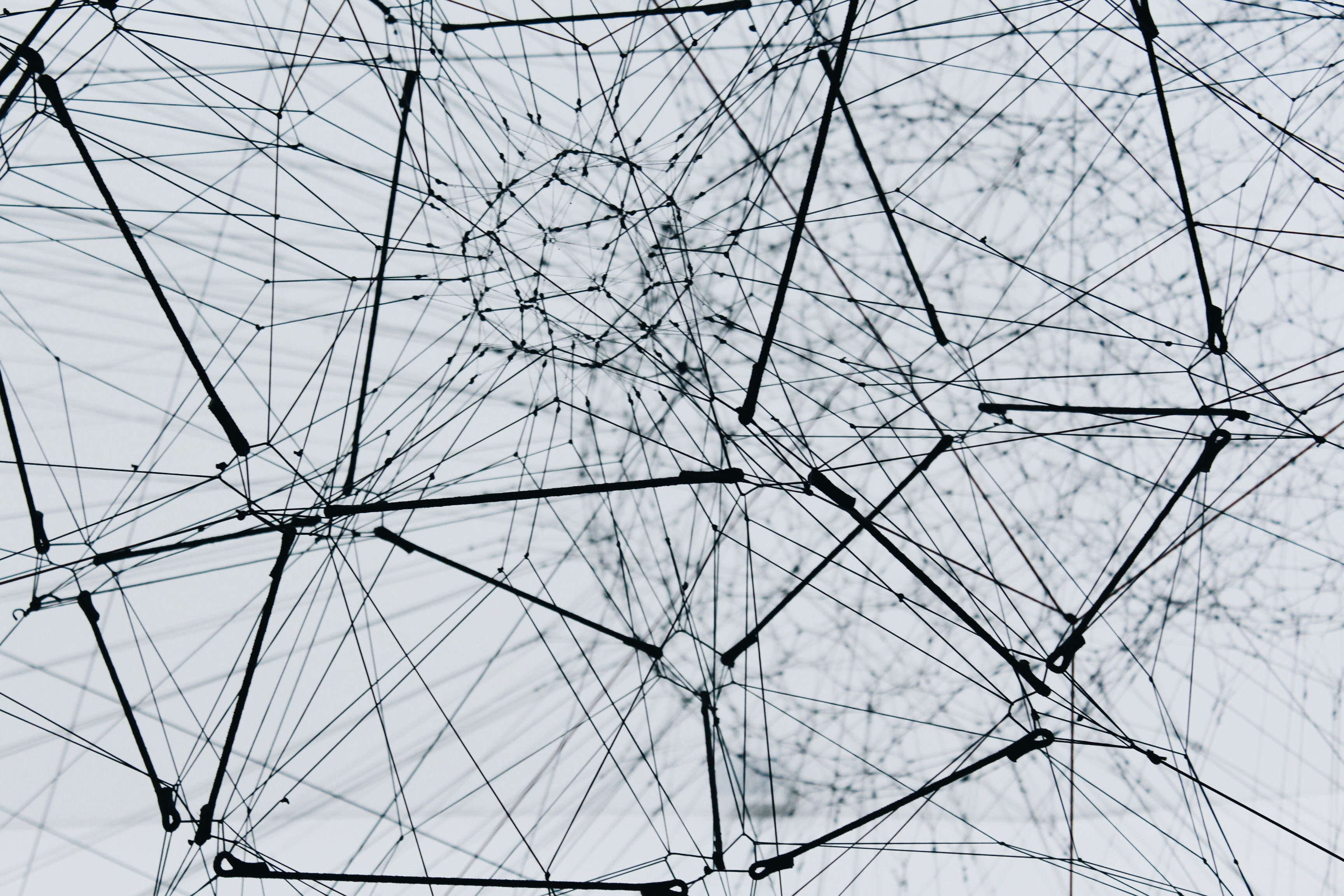
Supply chain knowledge, encoded into software.
The bluefabric data model is not a generic schema designed in a whiteboard session. It is built from 1,000+ supply chain consulting projects across warehouse operations, transport, inventory, fulfillment, supplier management, ERP, WMS, TMS, and execution improvement.
That means the model already understands the objects, relationships, and edge cases that appear in real operations.
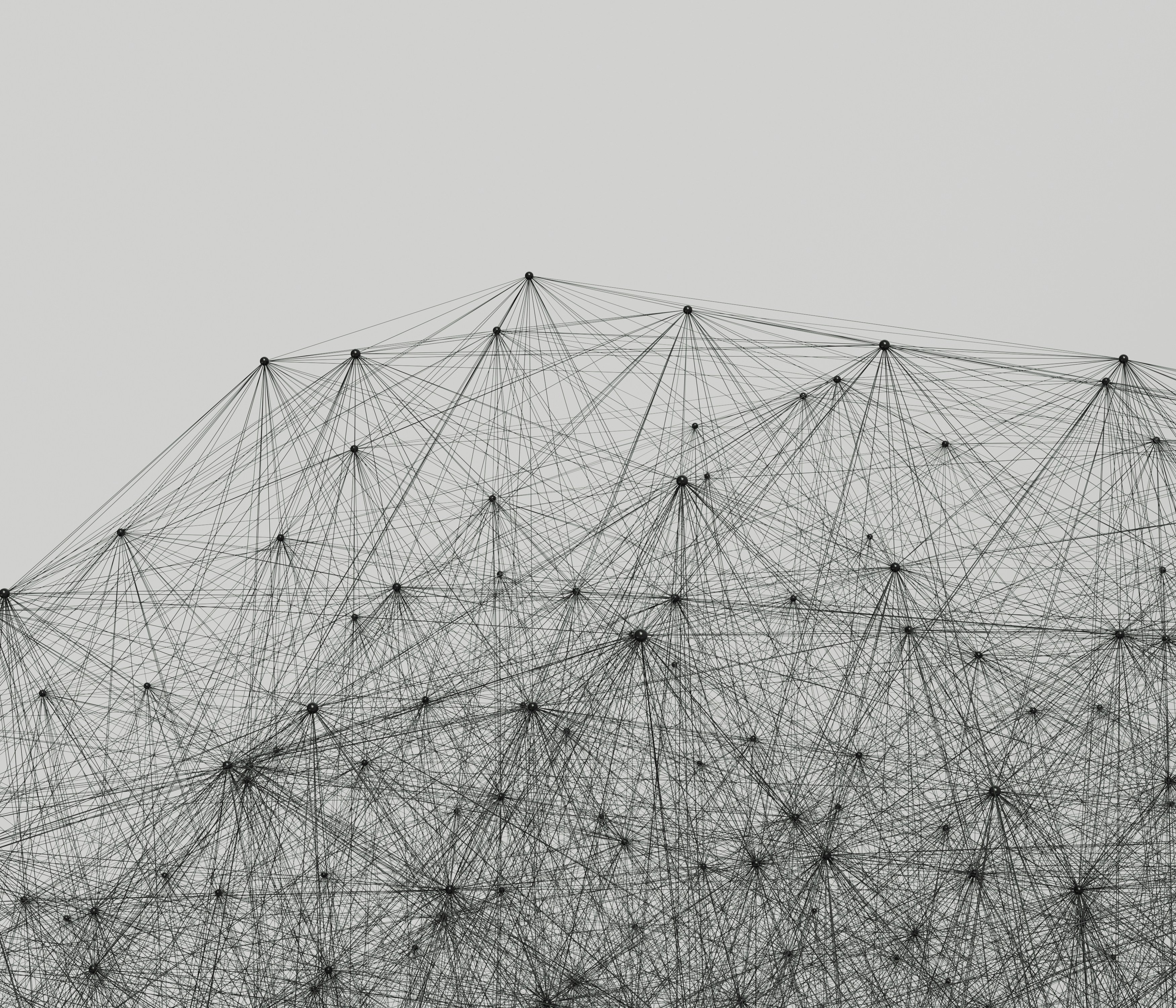
Every system contributes a piece. bluefabric builds the chain.
No single system tells the full story. bluefabric brings the fragments together and fills the blanks in the right place — so the result is one connected model of how the operation works, not another copy of your data.
Every system contributes a piece. bluefabric builds the chain.
The value is not the record. The value is the relationship.
bluefabric does more than standardize columns. It turns operational data into graph relationships so agents can reason across the chain instead of reading one record at a time.
Customer
  → Order
  → Line Item
  → SKU
  → Inventory
  → Warehouse Activity
  → Shipment
  → Carrier
  → Delivery Commitment
  → Service Risk
  → Cost Impact
These are not dashboard queries. They are supply chain questions.
Systems store facts. bluefabric adds operational meaning.
bluefabric does not only map data into objects. It brings supply chain knowledge into the model — where each object belongs, how entities should relate, what attributes matter, which fields are usually missing, and what decisions depend on them.
A source system might store a shipment status. bluefabric understands whether that status creates customer risk.
A WMS might store inventory quantity. bluefabric understands whether that inventory is available, blocked, reserved, damaged, expired, misplaced, or unable to fulfill demand.
Systems store facts. bluefabric adds operational meaning.
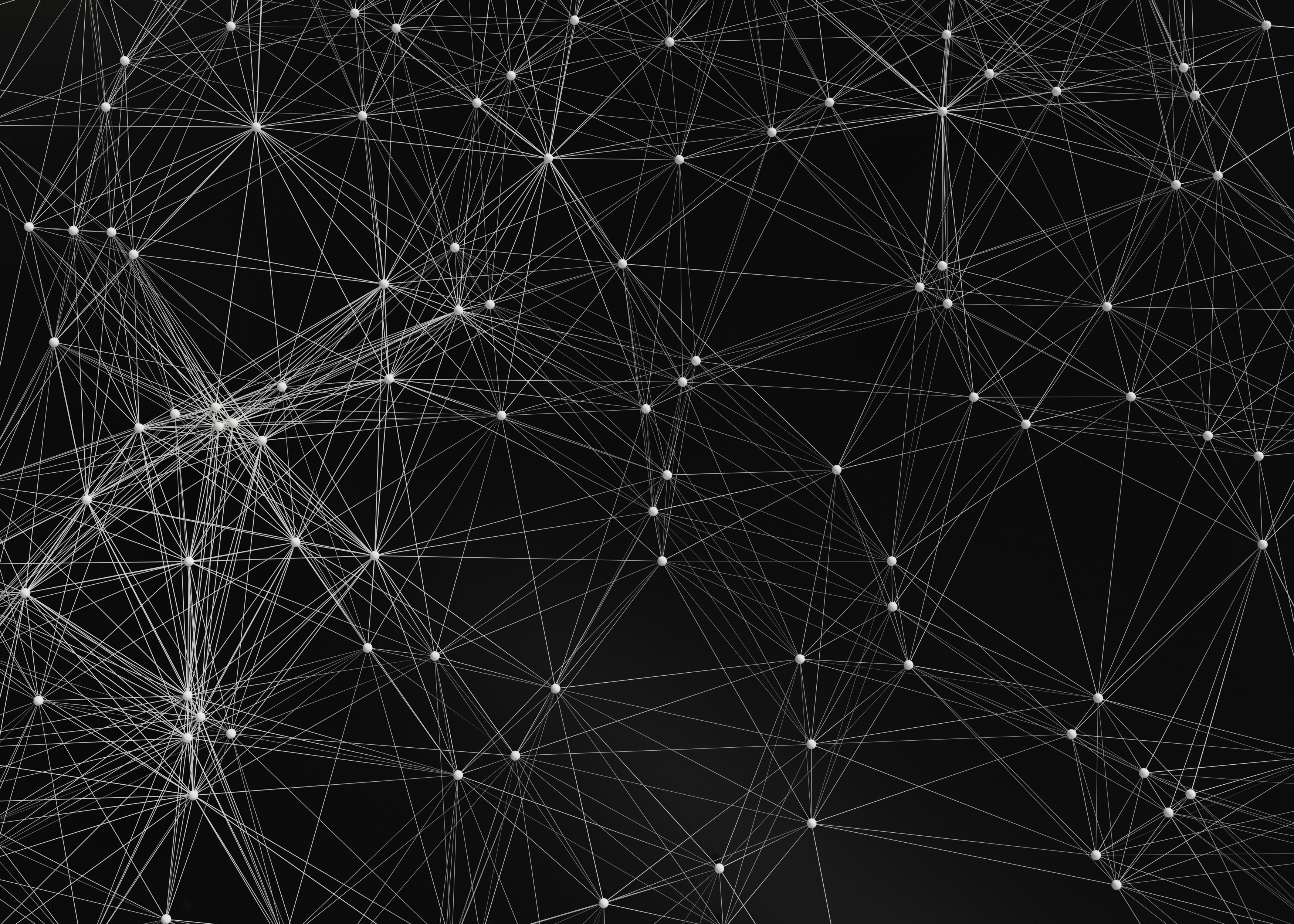
Dashboards need fields. Agents need context.
Most data models were built for reporting. bluefabric is built for AI agents that need to reason, calculate, and act — so every object carries the context an agent needs to use it correctly.
Clean records become connected context.
The common data model sits at the center of the bluefabric flow. It is where fragmented data becomes operational intelligence.
Clean records become connected context. Connected context becomes useful AI.

One model. One tool layer. Any agent.
bluefabric turns ERP, WMS, TMS, spreadsheets, APIs, and legacy data into one common supply chain model built for agentic operations.
Not another flat export. Not another dashboard schema. Not another disconnected data warehouse table.
A better model creates better agents.